Yeah. Both the Republican and Democrat parties nowadays run ‘primaries’ wherein the great mass of party voters from each state have an election, and the results of that chooses the candidate who will run for each office, including the presidential candidate.
There are still unobligated electors in this system - “Superdelegates” - but they’re a small minority and can only really make a difference if the primary election itself is very close.
As it worked back then (and up until the 1960s), effectively, there were only superdelegates who could pick whomever they damn well pleased for the party ticket.


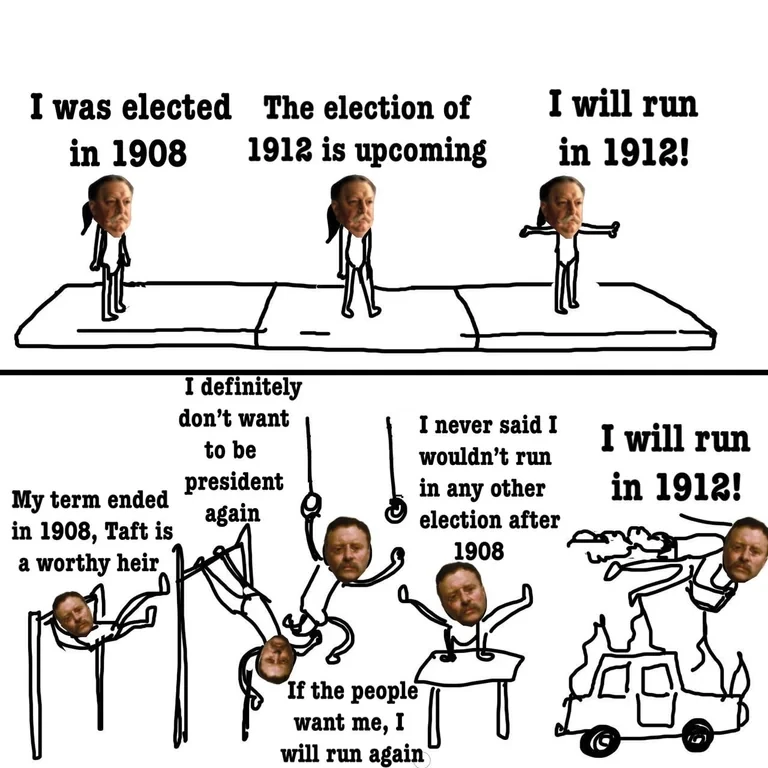
The way this is worded seems very odd to me — is it really different today?
Yeah. Both the Republican and Democrat parties nowadays run ‘primaries’ wherein the great mass of party voters from each state have an election, and the results of that chooses the candidate who will run for each office, including the presidential candidate.
There are still unobligated electors in this system - “Superdelegates” - but they’re a small minority and can only really make a difference if the primary election itself is very close.
As it worked back then (and up until the 1960s), effectively, there were only superdelegates who could pick whomever they damn well pleased for the party ticket.