PugJesus
History Major. Cripple. Vaguely Left-Wing. In pain and constantly irritable.
- 49 Posts
- 13 Comments
Joined 10 months ago
Cake day: March 24th, 2025
You are not logged in. If you use a Fediverse account that is able to follow users, you can follow this user.
 13·7 hours ago
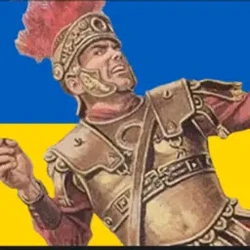
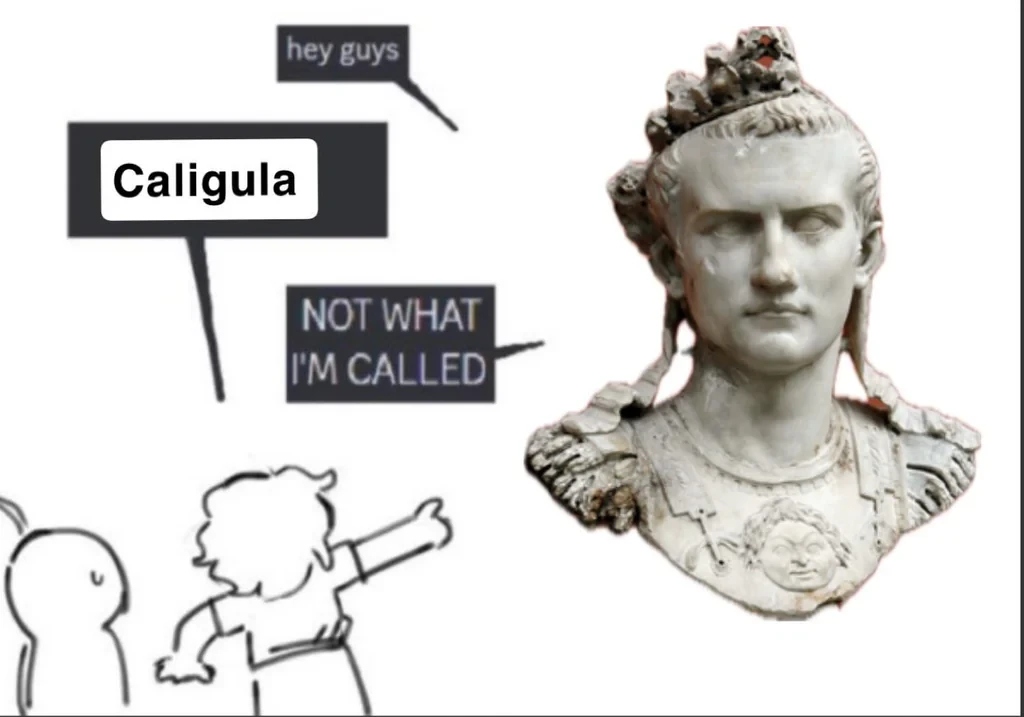
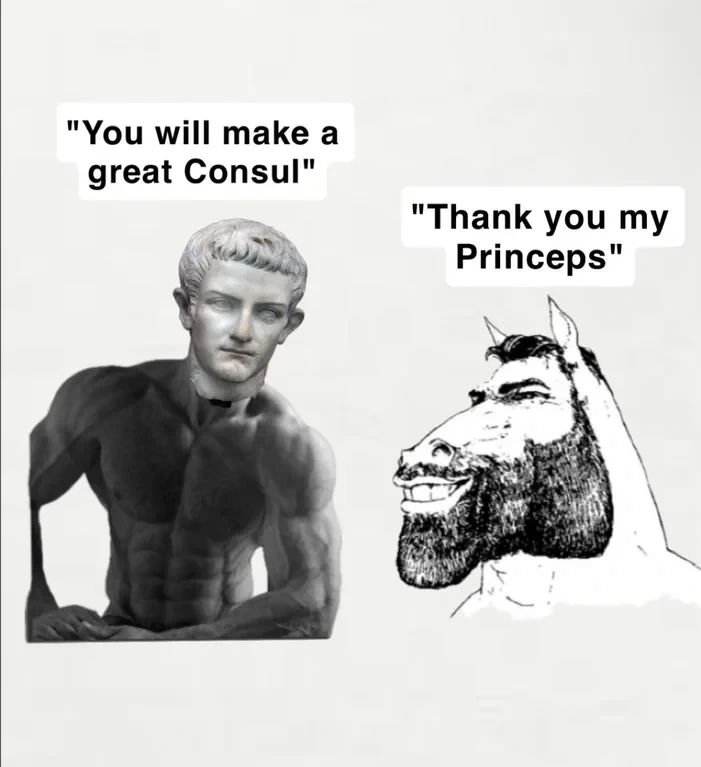
Explanation: The tyrannical Roman Emperor Caligula was not known as Caligula during his reign. ‘Caligula’ means ‘Little boots’ or ‘Little sandals’, from the military footwear of Roman legionaries - when Caligula was a young boy, his father, Germanicus, took him with him on campaigns, dressed up in a miniature soldier’s outfit. The troops loved him, and took to calling him Caligula - a nickname which he did not appreciate when he was older!
Their relentless expansionist policy continues!
Explanation: The Suez Crisis in 1956 involved Israel, France, and the UK invading Egypt in an attempt to prevent Egypt from nationalizing the Suez Canal. In a rare moment of Cold War unity, both the USA and the Soviet Union pressured the aggressors into pulling out, and Egypt preserved its sovereignty. The age of naked colonialism was over, and the old empires of Europe had no choice left but to reckon with that fact.
Explanation: The pike is a weapon that was popular in the late medieval/early modern period. It’s basically just a grotesquely long spear - very inconvenient for personal combat (except in a duel in an open field, where apparently in the hands of a skilled user it’s quite good), but amazing for when everyone is packed together like sardines on a battlefield.
The pike is also a kind of commonly eaten fish.
During the early parts of WW2, Winston Churchill, with more rhetoric than accuracy, demanded that every potential defender of Britain have a weapon ready, “be it only a mace or a pike.” Very stirring! Unfortunately, as Churchill was the man in charge at the time, a couple of subordinates took it literally and commissioned a few thousand literal fucking pikes to be made (never used) before Churchill got wind of it and corrected them.
Here, we see the pikes getting mixed up, smh. Can’t trust the help these days!
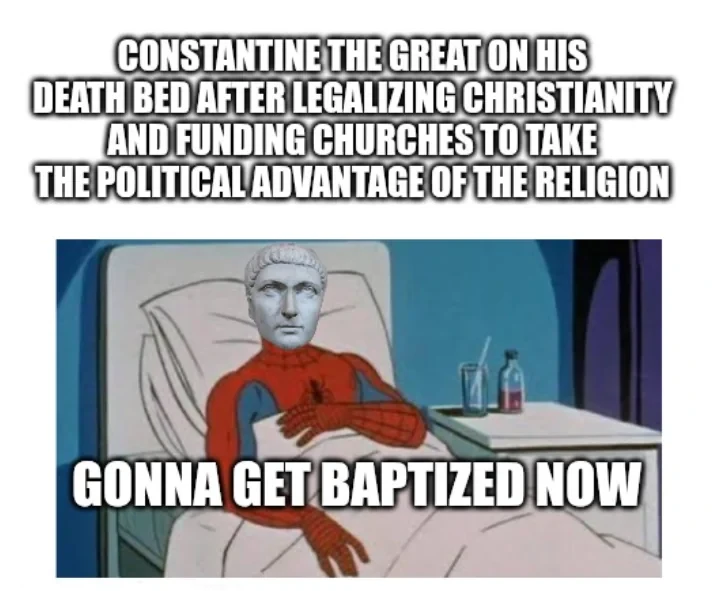
Explanation: The first explicitly Christian Roman Emperor, Constantine I, waited, as was common for Christian converts of the time, until his deathbed to be formally baptized into the faith. The thinking of this was so that there would be as little time to sin and fuck up the whole, ‘new life, new you’ schtick you had going before you got to the pearly gates.
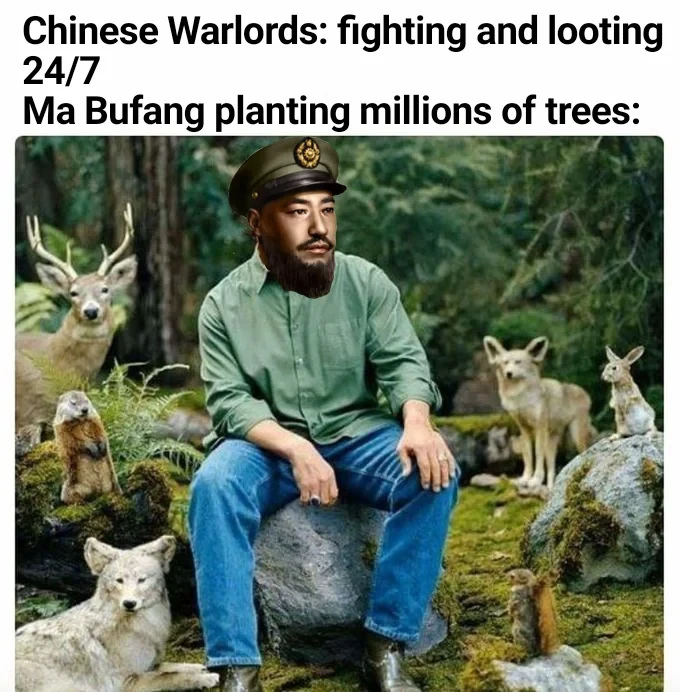
Explanation: Ma Bufang was a Chinese Muslim warlord of the Chinese Civil War. He was regarded as something of a reformist, despite also indulging in the authoritarianism and nationalism typical of the warlords of that period.
Notable, however, was his strong interest in environmental affairs - pushing reforestation efforts and educating farmers about sustainable practices.
The trees can’t be harmed if Ma Bufang is armed?
Ah, damn, you’re right, it’s satirical.




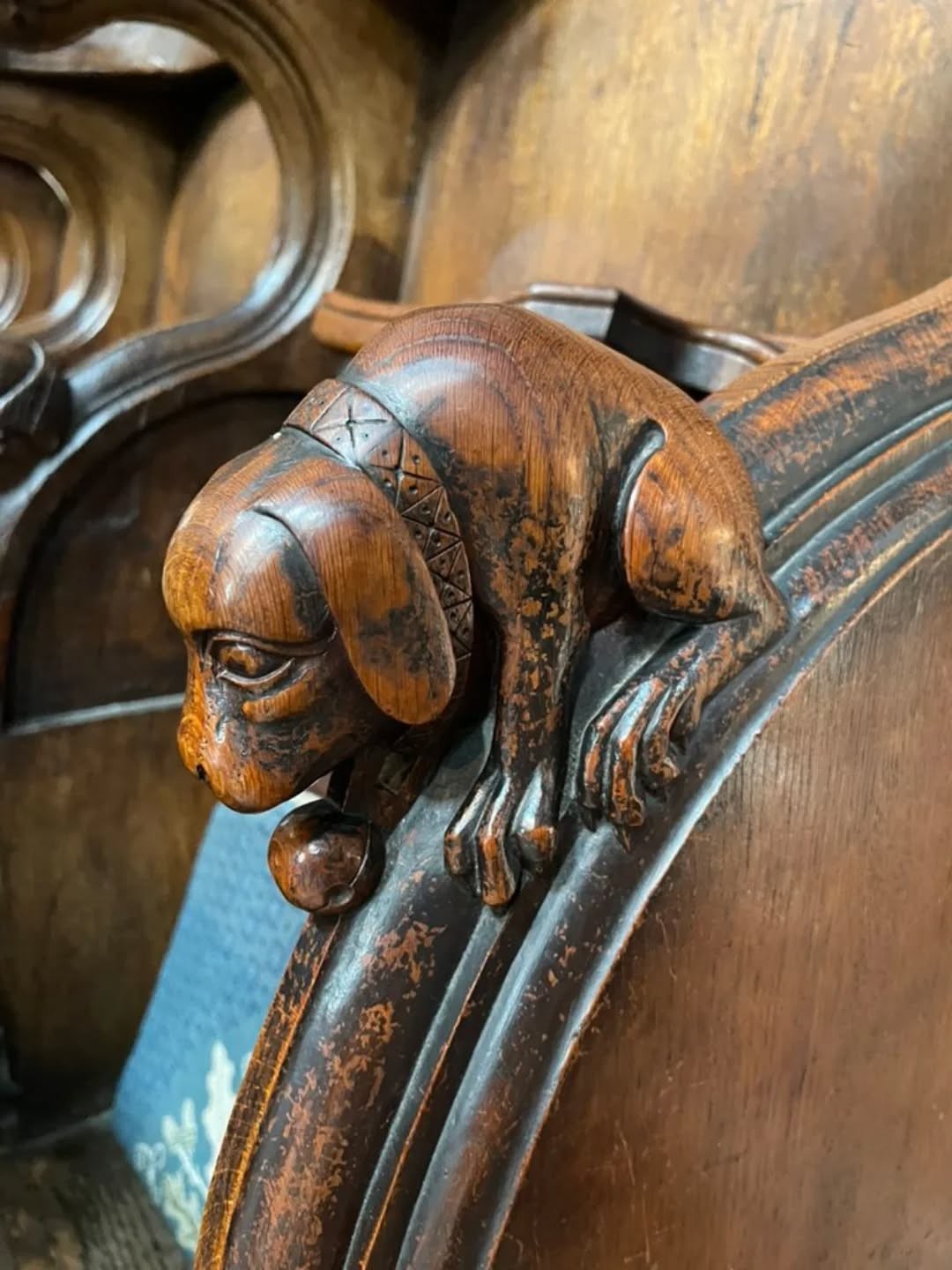
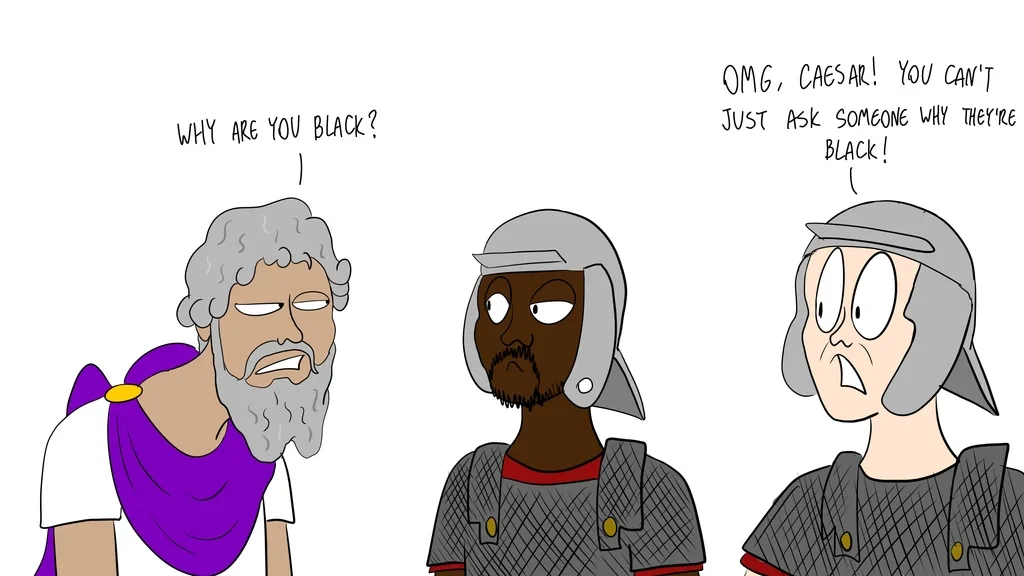
Explanation: Eli Whitney invented the cotton gin with the thinking that it would further help to end American slavery, which was on its way out anyway. After all, reducing the need for labor reduces the need for keeping labor in bondage, right?
… unfortunately, what the cotton gin did was revitalize slavery and give it greater power in the American South (and the Federal government) than it ever had previously. The cotton gin reduces the amount of labor needed for processing cotton… which increases the demand for and profitability of unprocessed cotton… which is gathered pretty exclusively by hard, tedious labor.
Great engineer, poor economist.


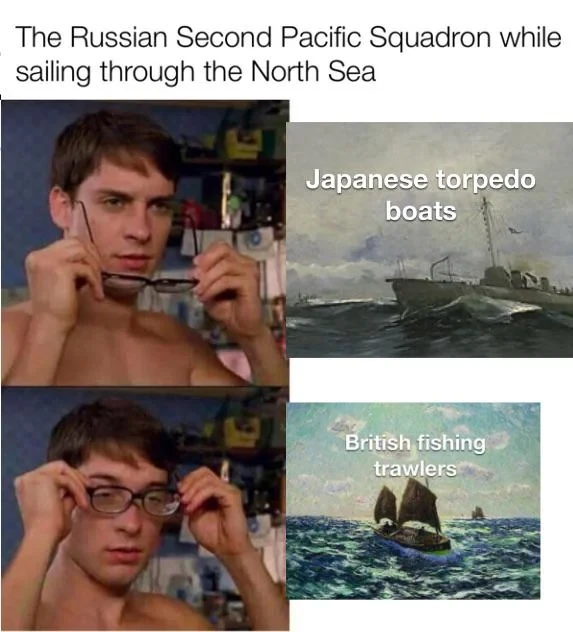
Explanation From Original OP:
This is in reference to the Dogger Bank incident in 1904, where the Russian second pacific squadron, on its way from the Baltic to east Asia to fight Japan, attacked a bunch of British fishing trawlers, thinking them Japanese torpedo boats, despite being on the other side of the world from Japan. The Russians ended up killing two British sailors, sinking one fishing vessel, as well as killing a Russian sailor and a priest through friendly fire. Further loss of life was prevented through the Russians having absolutely abysmal aim.

Explanation From Original OP:
Leon Trotskys birth name was Lev Davidovich Bronstein and when he started living in exile, he took the name trotsky and trotsky was named after Lev’s prison guard, who was named trotsky.


Explanation from original OP:
Context: in the 1600s there was “hearth tax” placed by the king on homes with multiple chimneys. This lead to builders constructing small and labyrinthine chimney flue that all connected to a single chimney in the building to avoid the tax.
The result meant master sweeps would hire (or kidnap) young children to clean the insides of these tiny, winding chimneys. They would often get stuck and die from suffocation. The occurrence happened so often that people would say a crying sweep boy is a good sign because it meant they were still alive. A silent sweep boy could mean he was already dead.
Honestly, anyone anymore knows him only as Caligula, and his actual name doesn’t have any distinguishing features (Gaius is extremely common, Caesar and Augustus are borderline titles even at this early point, and Germanicus is more associated with his father).