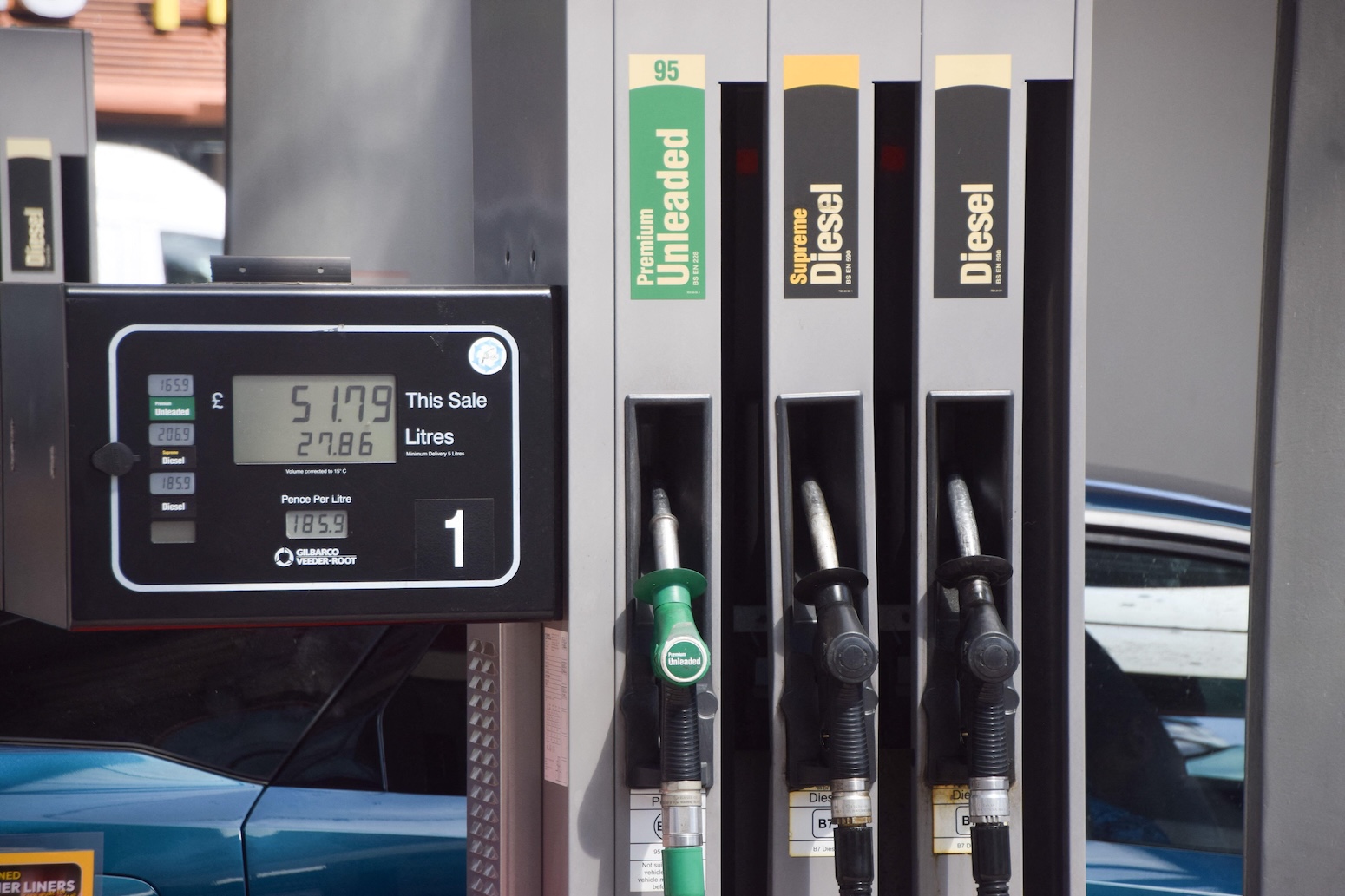
The latest surge in fossil-fuel prices means it is now up to nine times cheaper in the UK to drive an electric vehicle (EV) than a petrol or diesel car, shows Carbon Brief analysis.
the maximum amount a supplier can charge for a unit of energy and standing charge, set by the regulator Ofgem every three months
Electricity is sold at a price per day (the standing charge), even if you use no electricity you pay this, plus whatever you use in kWh. For example: £0.55 per day standing charge, plus whatever you use at £0.25 per kWh.
You can get a fixed contract, meaning you know exactly what you’re paying for the next 6-12 months. The standing charge and unit rate are agreed and don’t change. However, suppliers forecast what the prices will be in that time and set their prices accordingly so they should still make a profit.
Or, you can be on the variable rate. This price fluctuates based upon the cost of energy at the time, and can be very volatile depending upon world events at the time.
The domestic cap is a limit that the state imposes upon the variable rate, supposedly to dampen volatility, prevent price gouging, and ensure energy remains affordable to consumers.
The cap is reviewed every 3 months and is almost guaranteed to go up every 3 months.
No public charging stations go by the commercial rate. That is not too say you can’t get discounts based on high energy days. Using my domestic energy supplier charging tag I sometimes get a discount if the wind is blowing or the sunshine is strong.
It will still be more than my overnight domestic rate though (7p/kwH).
It will still be more than my overnight domestic rate though (7p/kwH).
Now I am jealous. This would be just 8 Euro ct/kWh…
Typical average price for household electricity is around 30ct/kWh in Germany, lowest maybe 25ct/kWh.
I guess you have one of the dynamic rates (those are not very common in Germany)? Does the price fluctuate a lot during the day?
Not dynamic, but an EV rate so I get the overnight rate and a daytime rate and I also hand control of the car charger to my provider. It will usually charge overnight but if energy is cheap on the network at other times it will trigger the charge and my entire consumption during that time will be at the night rate.
There are also incentives to save energy at particular times, cut your usage below normal levels at high demand times and get “free” energy at other times in return. It helps the provider balance the grid with their wholesale input deals.


Electricity is sold at a price per day (the standing charge), even if you use no electricity you pay this, plus whatever you use in kWh. For example: £0.55 per day standing charge, plus whatever you use at £0.25 per kWh.
You can get a fixed contract, meaning you know exactly what you’re paying for the next 6-12 months. The standing charge and unit rate are agreed and don’t change. However, suppliers forecast what the prices will be in that time and set their prices accordingly so they should still make a profit.
Or, you can be on the variable rate. This price fluctuates based upon the cost of energy at the time, and can be very volatile depending upon world events at the time.
The domestic cap is a limit that the state imposes upon the variable rate, supposedly to dampen volatility, prevent price gouging, and ensure energy remains affordable to consumers.
The cap is reviewed every 3 months and is almost guaranteed to go up every 3 months.
Thanks for the detailed explanation!
I guess the caps are only relevant for the normal household-electricity, not for public charging stations?
Yes they’re for domestic electricity contracts only. Charging away from home is generally a lot more expensive.
No public charging stations go by the commercial rate. That is not too say you can’t get discounts based on high energy days. Using my domestic energy supplier charging tag I sometimes get a discount if the wind is blowing or the sunshine is strong.
It will still be more than my overnight domestic rate though (7p/kwH).
Now I am jealous. This would be just 8 Euro ct/kWh…
Typical average price for household electricity is around 30ct/kWh in Germany, lowest maybe 25ct/kWh.
I guess you have one of the dynamic rates (those are not very common in Germany)? Does the price fluctuate a lot during the day?
Not dynamic, but an EV rate so I get the overnight rate and a daytime rate and I also hand control of the car charger to my provider. It will usually charge overnight but if energy is cheap on the network at other times it will trigger the charge and my entire consumption during that time will be at the night rate.
There are also incentives to save energy at particular times, cut your usage below normal levels at high demand times and get “free” energy at other times in return. It helps the provider balance the grid with their wholesale input deals.
To be honest I have no idea if it’s relevant to public charging stations or not. Hopefully somebody else can chime in with that info.
Businesses (ie public charging station operators) are not affected by the electricity price cap.