I’ve had conversations with my friends on whether his nose grows based on deception or the truth value of the statement. My friend and I with rather secular upbringings grew up thinking it was based on deception and my friends with rather extreme Christian upbringings grew up thinking it was based on the truth. Obviously a very small sample size but I do wonder if there is a correlation
I think in this case it’s the exact opposite. The secular friends believed it changed based on pinocchio’s personal beliefs and attempted deceptions, while the christians apparently believed it changed based on whether his words reflected some absolute truth, regardless of his personal thoughts and beliefs. fwiw
I’m saying that the Pinocchio nose thing is clearly based on his lying, i.e. on stating something he knows/believes to be false, not an objective truth. It is the theme of the story.
And all too commonly, Christian (and other) fundamentalists extend beyond mere faith into delusion where they lose track of what is their personal belief and what is ubiquitous accepted reality. Sometimes to the point that that they actually cannot accept that others simply don’t believe in their deity. They genuinely think that their deity not only definitely exists, but such a fact is unquestionably apparent on the face of it to everyone and competely beyond reproach. So when one claims to be an atheist, or hold another faith, the only conclusion that they can come to is that you actually do know their deity exists and so your denial of them is either out of evil, misplaced anger, brainwashing (by evil men or the devil or something similar) or you are a grifter with some other agenda. Whatever it is, it most certainly can’t be a sound, justified, reasonable lack of belief in their god. That’s nonsense.
Again, that’s not all of them, but any means. But it’s not uncommon either.


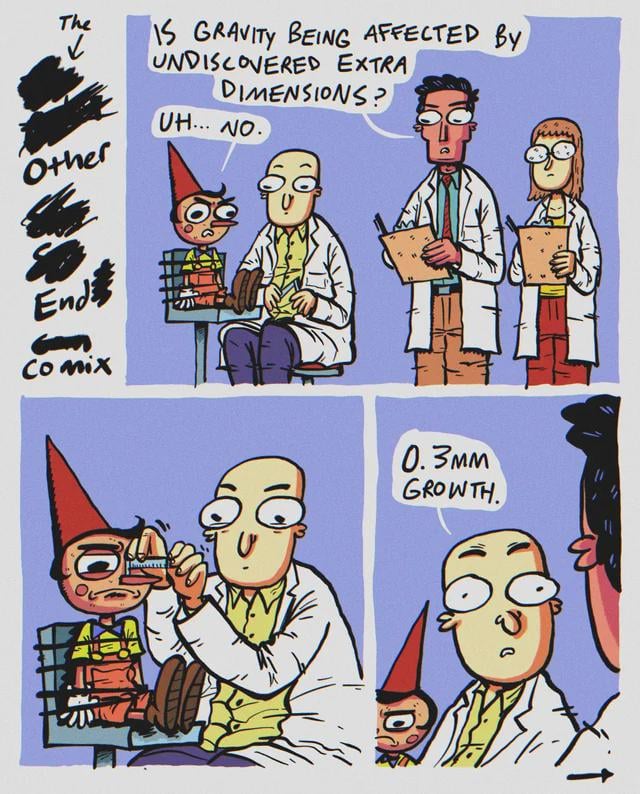
I’ve had conversations with my friends on whether his nose grows based on deception or the truth value of the statement. My friend and I with rather secular upbringings grew up thinking it was based on deception and my friends with rather extreme Christian upbringings grew up thinking it was based on the truth. Obviously a very small sample size but I do wonder if there is a correlation
Christian thinks that belief = truth. News at 11.
I think in this case it’s the exact opposite. The secular friends believed it changed based on pinocchio’s personal beliefs and attempted deceptions, while the christians apparently believed it changed based on whether his words reflected some absolute truth, regardless of his personal thoughts and beliefs. fwiw
I’m saying that the Pinocchio nose thing is clearly based on his lying, i.e. on stating something he knows/believes to be false, not an objective truth. It is the theme of the story.
And all too commonly, Christian (and other) fundamentalists extend beyond mere faith into delusion where they lose track of what is their personal belief and what is ubiquitous accepted reality. Sometimes to the point that that they actually cannot accept that others simply don’t believe in their deity. They genuinely think that their deity not only definitely exists, but such a fact is unquestionably apparent on the face of it to everyone and competely beyond reproach. So when one claims to be an atheist, or hold another faith, the only conclusion that they can come to is that you actually do know their deity exists and so your denial of them is either out of evil, misplaced anger, brainwashing (by evil men or the devil or something similar) or you are a grifter with some other agenda. Whatever it is, it most certainly can’t be a sound, justified, reasonable lack of belief in their god. That’s nonsense.
Again, that’s not all of them, but any means. But it’s not uncommon either.
Based on the small sample size of arguments I’ve personally had with proud theologians, I absolutely think this is true.