Something I would approve right now is a solar panel that plugs into the wall, and then a device plugs into the panel. So functionally the panel is an extension cord that generates a little bit of power. It would only power things down stream, wouldn’t put anything back onto the grid, but if you have a load that’s continuously heavier than what the panel puts out, like say a refrigerator, who cares? It powers the device from solar and makes up the difference from the wall.
I have a device that does exactly that with the addition of a big honkin’ battery. It can power devices entirely independent of the grid, function as a UPS, and it even has time of use functionality. If you’ve got variable rate power, this unit can be set to run on battery when power is expensive and recharge when power is cheap, while blending in solar as much as possible. It won’t put power back on the grid so it’s already UL listed and as far as I’m aware it’s already legal everywhere in North America (I have the US model with NEMA 5-15 sockets) as we speak.
Honestly the way we design our electrical distribution system is bonkers for the modern world. Every home should just have a big battery in it. Recharge the battery from your own panels when you can, top off from the grid when you can’t. Neither the solar system nor the grid power connect directly to the load. Everything goes through the big battery buffer.


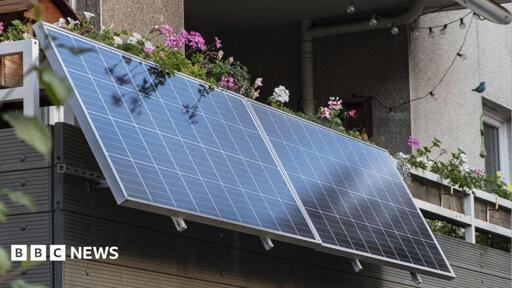
Something I would approve right now is a solar panel that plugs into the wall, and then a device plugs into the panel. So functionally the panel is an extension cord that generates a little bit of power. It would only power things down stream, wouldn’t put anything back onto the grid, but if you have a load that’s continuously heavier than what the panel puts out, like say a refrigerator, who cares? It powers the device from solar and makes up the difference from the wall.
I have a device that does exactly that with the addition of a big honkin’ battery. It can power devices entirely independent of the grid, function as a UPS, and it even has time of use functionality. If you’ve got variable rate power, this unit can be set to run on battery when power is expensive and recharge when power is cheap, while blending in solar as much as possible. It won’t put power back on the grid so it’s already UL listed and as far as I’m aware it’s already legal everywhere in North America (I have the US model with NEMA 5-15 sockets) as we speak.
Honestly the way we design our electrical distribution system is bonkers for the modern world. Every home should just have a big battery in it. Recharge the battery from your own panels when you can, top off from the grid when you can’t. Neither the solar system nor the grid power connect directly to the load. Everything goes through the big battery buffer.
That technology 100% exists and I’m in favor of installing it.