

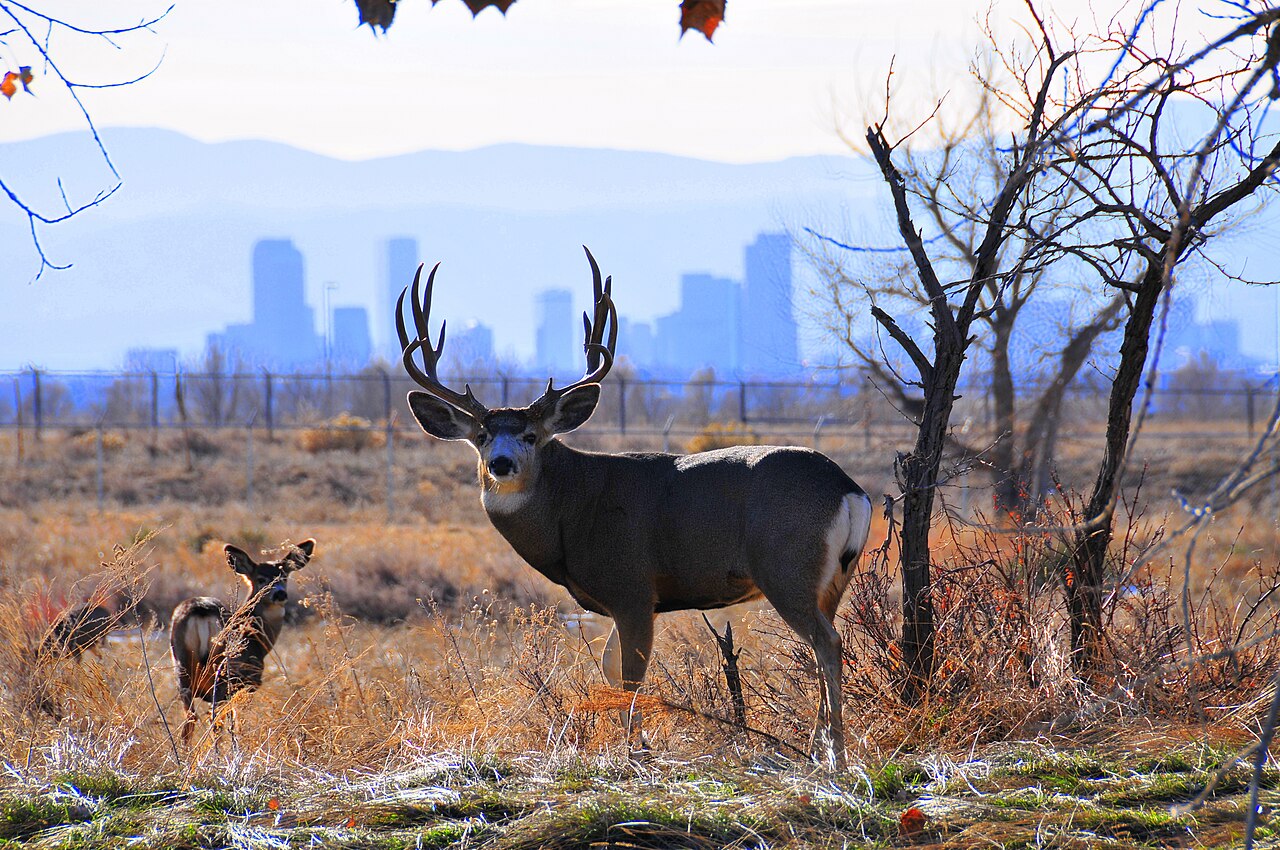
- Involuntary parks — areas made largely untenable for human habitation due to environmental contamination, war, border disputes or other forms of conflict and violence — have often unintentionally benefited nature, with flora and fauna sometimes thriving in the absence of people.
- In some cases, these unanticipated refugia have been formalized as wildlife preserves. Hanford Reach National Monument in the U.S. state of Washington is one example. Though the land of this conserved area surrounds a Cold War site contaminated by chemical and radioactive waste, hundreds of species thrive there.
- The southern Kuril Islands — territory disputed by Russia and Japan — offer another example. Russia has set up preserves within the long-contested area, while Japan has declared a national park just outside it. But attempts at creating a permanent border peace park or resolving tensions have failed, and future conservation is uncertain.
- With the world now rocked by geopolitical conflict and by worsening environmental disasters (due to pollution, climate change and land-use change), nations need to assess how places that become unhealthy to humanity — turning them into involuntary parks — can be healed, and what role conservation can play in recovery.
You must log in or # to comment.