

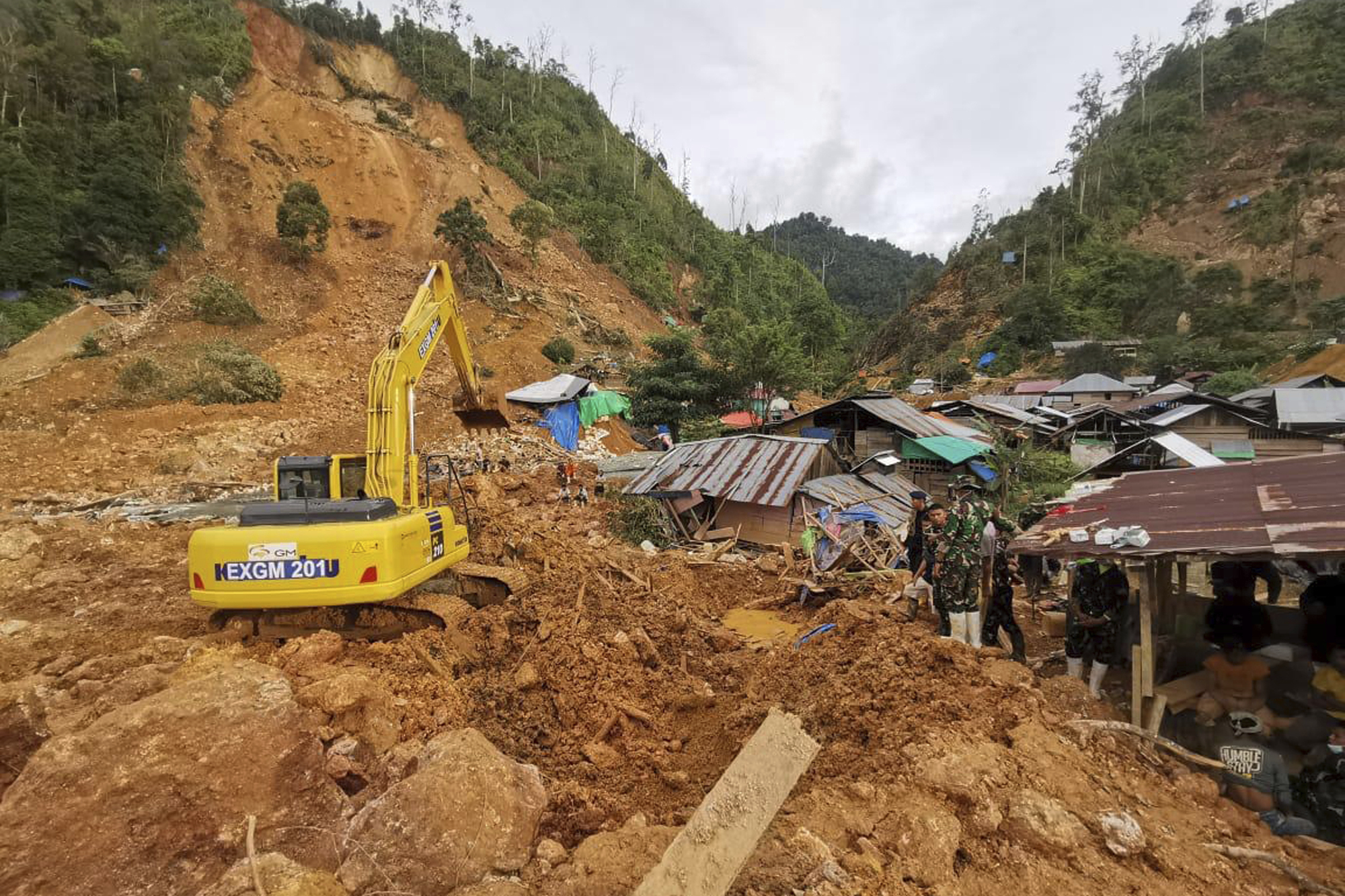
- A nearly 70% rise in global gold prices has accelerated illegal gold mining across Indonesia, including in Bukit Gajah Berani, a forest buffer next to Kerinci Seblat National Park, threatening critical tiger habitat and protected forests nationwide.
- Despite decades of evidence and Indonesia’s commitments under the Minamata Convention, illegal gold mining remains the country’s largest source of mercury emissions, contaminating rivers, fish, crops and communities, with documented health impacts ranging from toxic exposure to malaria spikes.
- While Indonesia has strong regulations on paper, including a pledge to eliminate mercury use in illegal mining by 2025, enforcement is weak, agencies operate in silos, illegal cinnabar mining continues, and attempts to formalize “community mining” have largely failed in practice.
- Illegal mining has destroyed forests, farmland and waterways, reducing rice production, worsening floods, and eroding traditional forest-based livelihoods, leaving communities with polluted landscapes and long-term ecological and economic costs as criminal networks adapt faster than regulators.
You must log in or # to comment.